
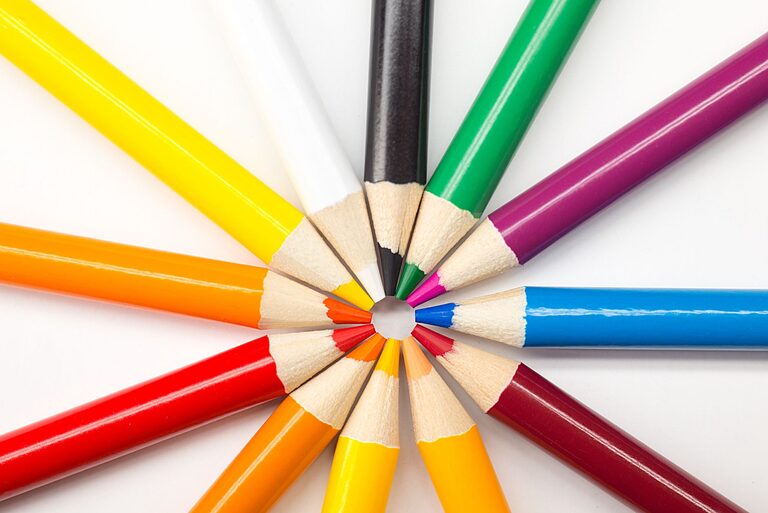
Bringing home a child’s artwork can brighten any day with bursts of color and imagination. However, as those drawings, paintings, and crafts accumulate, it can become a challenge to keep them organized without letting the clutter take over your space. If you’re looking for practical and enjoyable ways to manage your kids’ art projects, this guide has you covered.
Why Organize Kids’ Art?
Before diving into tips and tricks, it’s helpful to understand the benefits of organizing children’s art:
– Preserves memories: Artwork captures your child’s creativity and growth.
– Reduces clutter: Organized storage keeps your home tidy.
– Encourages creativity: Displaying art boosts kids’ confidence and motivation.
– Makes it easy to share: Well-kept art is ready for gifts or sharing with family.
With these benefits in mind, here are effective strategies to help you manage your child’s artistic creations.
Create a Dedicated Art Space
Having a designated area where your child creates and stores their art supplies and projects can make a big difference.
Tips for Setting Up:
– Choose a corner or small table with good lighting.
– Use shelves, bins, or drawers to keep supplies orderly.
– Include a bulletin board or magnetic surface for displaying current work.
– Ensure the area is accessible so kids can use it independently.
This encourages children to respect their art and storage space and makes cleanup easier.
Sort and Declutter Regularly
It’s tempting to keep every piece, but over time, the volume can become overwhelming. Develop a routine to sort through artwork.
How to Sort:
– Keep favorites: Select pieces that showcase milestones or special memories.
– Recycle or repurpose: Use old art for gift wrapping or crafts.
– Photograph: Take pictures of bulky or numerous works before letting go.
Sorting can be a fun activity to do with your child, helping them feel involved and teaching decision-making skills.
Use Functional Storage Solutions
Choosing the right storage tools keeps art organized and accessible.
Popular Options:
– Portfolios: Large, flat folders that protect papers without folding.
– Binders with plastic sleeves: Great for standard-sized drawings.
– Storage boxes: Label boxes by year or child for easy sorting.
– Digital storage: Create folders on your computer or cloud for scanned images.
When selecting storage, consider space, ease of use, and the type of artwork you’re keeping.
Display Art Creatively
Showcasing your child’s art can make them feel proud and reduce piles of stored pieces.
Display Ideas:
– Rotating gallery: Use clipboards, string with clothespins, or frames to swap art regularly.
– Wall decals or corkboards: Allow for easy pinning and updating.
– Photo books or calendars: Turn artwork into keepsakes that double as gifts.
Balancing display with storage keeps the home vibrant without clutter.
Involve Your Child in the Process
Encouraging children to participate in organizing their artwork teaches responsibility and respect for their creations.
Ways to Involve Kids:
– Let them choose which pieces to keep or display.
– Help label storage boxes or binders.
– Create art journals together.
– Set goals for creating and organizing regularly.
This involvement makes the process enjoyable and meaningful.
Digital Archiving for Busy Families
For families short on space or time, digital archiving is an excellent solution.
Steps to Digitize:
– Photograph artwork in natural light for best quality.
– Use apps designed for organizing kids’ art.
– Store images by date or theme.
– Share digital albums with relatives.
Digital copies preserve memories without taking up physical space and make sharing effortless.
Maintain the Habit
Organization is an ongoing process. Set reminders or routines to keep up with new artwork.
Suggestions:
– Weekly or monthly “art review” sessions.
– Celebrate art milestones with a small event.
– Rotate stored and displayed pieces seasonally.
Consistency helps prevent clutter buildup and keeps your child’s creativity flowing.
—
By following these tips, you can turn your child’s growing collection of artwork into a well-organized and cherished part of your home. Not only will this help maintain a clutter-free environment, but it also honors the creativity and effort that each piece represents. Happy organizing!